
South Bend's older housing stock means plenty of rentals are due for major system replacements sooner than owners expect, yet most maintenance logs get read one ticket at a time instead of as a whole. PMI Michiana sees the same story play out across the area: a plumbing or HVAC issue resolved three times over a year, filed away as three separate problems instead of one clear signal.
Pulling your maintenance coordination records and sorting by system rather than by date usually exposes exactly where that signal has been hiding. This guide breaks down what recurring repairs typically mean and how to act before a full system failure forces the decision.
Key Takeaways
- Repeated repair calls for the same system usually point to aging infrastructure, not chance
- The typical U.S. home is over four decades old, which raises the odds of worn-out systems
- Reviewing repairs by category rather than ticket reveals patterns most owners miss
- Acting on those patterns early protects your budget and keeps tenants satisfied
What Your Repair History Is Actually Showing You
A single work order rarely tells the full story. Line up a few requests from the same part of the property, though, and the picture usually becomes clear fast. Owners who've dealt with a property manager paying for repairs know this distinction matters when deciding who handles what and when to escalate a recurring issue.
The U.S. Census Bureau's American Housing Survey puts the median age of owner-occupied homes nationally at 41 years, meaning a large share of the rental housing stock across South Bend is old enough that major systems are nearing or past the point where repairs still make financial sense.
Watch for patterns like these:
- Plumbing leaks reappearing near the same fixture or wall section
- HVAC calls clustering right before summer or winter
- Appliances failing on a rotating basis throughout the unit
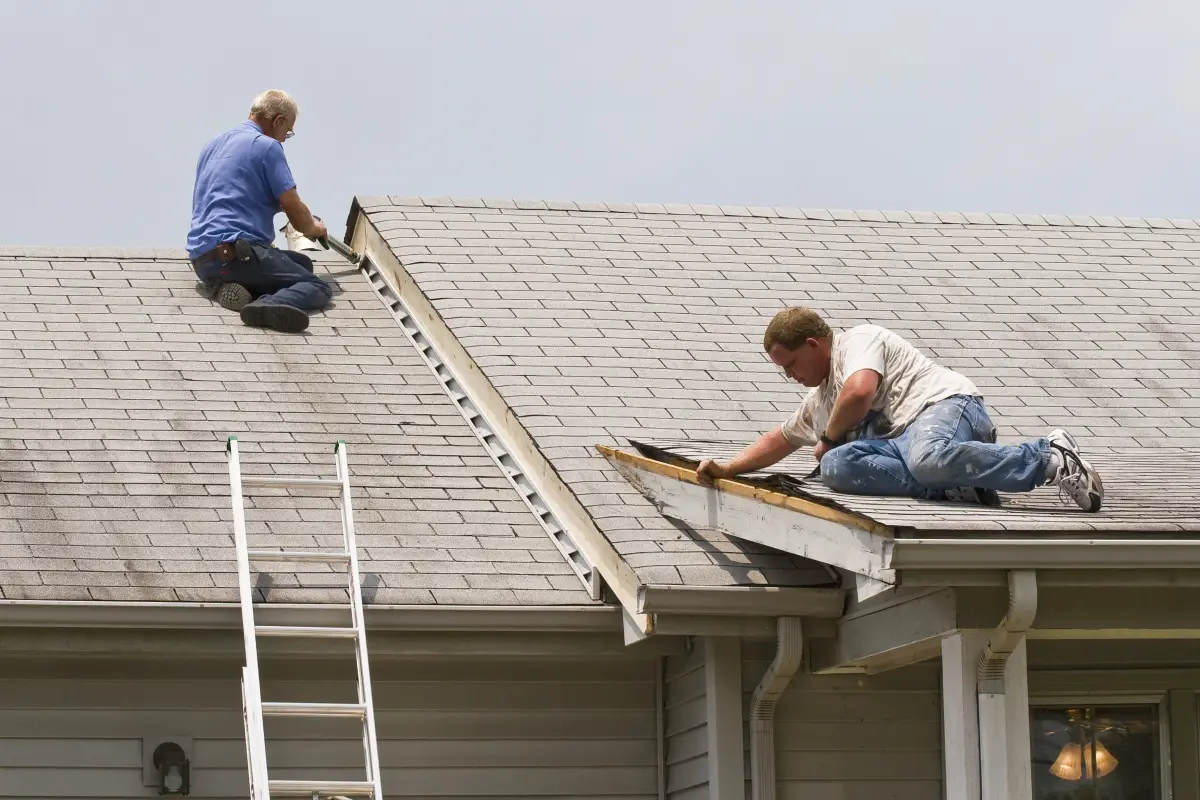
- Roof leaks showing up after every significant storm
None of these is random. Each one points toward a component running out of usable life.
Recognizing When a Repair Stops Paying Off
Every system reaches a point where continued repairs cost more overall than replacement would. The hard part is spotting that point before it's obvious in hindsight.
A few warning signs: your contractor keeps returning for the same complaint within a few months, each visit costs more than the last once labor and materials are added up, you're dealing with emergency calls that always run higher than scheduled work, and nearby damage, like warped flooring or ceiling stains, is starting to spread from the original problem.
If several of these sound familiar, running the numbers on a full replacement is worth doing. This is where a good home warranty decision can factor in, too, since some warranty plans cover replacement costs differently from repeat repairs.
The Wear You Can't See Until It's Obvious
A lot of deterioration starts somewhere out of view, behind a wall, beneath flooring, inside a mechanical unit, well before any visible sign shows up. A tenant mentioning a stain or an odd noise is often just the first hint of something that's been building for months.
Aging plumbing tends to leak in more than one spot as corrosion spreads through the whole system, not from a single bad fitting. Aging roofing shows up as recurring leaks tied to worn flashing or shingles nearing the end of their service life, rather than one bad patch. Aging HVAC equipment gradually loses efficiency, with service calls increasing well before an outright breakdown. Aging windows develop drafts as seals degrade from years of weather exposure, not from a flawed original installation.
This is exactly the kind of pattern that a solid vendor relationship can help you catch early, since a trustworthy contractor will flag the underlying issue instead of just patching the symptom again.
Letting Repair Patterns Guide Bigger Decisions
Every rental eventually needs a major system replaced. The real question is which one deserves priority, and your repair history is one of the strongest sources of data for figuring that out.
If you're weighing several potential projects, consider:
- How the total repair cost so far compares to a full replacement
- What kind of remaining lifespan the current system realistically has
- How the ongoing issue is shaping tenants' day-to-day experience
- How much lead time you'll need to budget the replacement without disrupting cash flow
Homeowners nationally spent an estimated $503 billion in 2024 on remodeling and repair projects, according to the Joint Center for Housing Studies of Harvard University, a figure that reflects how much upkeep the country's aging housing stock demands year after year.
Getting Ahead of the Next Failure
Waiting for a complete system failure almost always costs more than replacing it proactively, in repair bills, property damage, and tenant frustration. A stronger approach includes annual inspections of major systems, seasonal HVAC servicing scheduled before extreme temperatures hit, roof checks after storm season, and plumbing assessments on any property with original pipes still in place.
An ROI calculator can also help you weigh whether a proactive replacement now makes better financial sense than continuing to absorb repair costs over the next few years.
Why Consistent Oversight Makes the Difference
Recurring repairs need more than a fast response to whoever called last. They require someone actively watching the pattern over months, which is hard to manage without dedicated oversight. Owners who want more support making these calls tend to catch problems long before they'd otherwise surface.
At PMI Michiana, we track repair histories across every property we manage, coordinate with vendors who give honest assessments instead of another short-term fix, and stay in close contact with owners throughout the process. That kind of consistent oversight turns a confusing string of repair calls into a plan you can actually act on.
FAQs about Aging Property Systems in South Bend, IN
Can weather patterns specific to South Bend speed up certain types of wear?
Yes. Heavy snow loads and freeze-thaw cycles put extra strain on roofing and plumbing systems, which can accelerate wear compared to milder climates and lead to more frequent repair calls each winter.
Is it possible to negotiate a bulk rate when replacing multiple aging systems at once?
Often, yes. Contractors sometimes offer better pricing when handling several replacements in one visit, since it reduces their scheduling overhead compared to spacing the same work across separate appointments.
How do short-term rental units factor into repair frequency compared to long-term leases?
Short-term units typically see more wear from frequent turnover and varied guest habits, which can make certain systems, like appliances and fixtures, show repair patterns sooner than in longer-term rental arrangements.
Should I prioritize replacing a system that affects safety over one that affects comfort?
Yes. Systems tied to safety, like electrical panels or gas lines, should take priority over comfort-related repairs, even if the comfort issue has generated more frequent tenant complaints recently.
What's a practical way to track repair patterns without specialized software?
A simple spreadsheet noting the date, system, and cost of each repair works well. Reviewing it quarterly makes patterns easy to spot without needing anything more complicated than basic recordkeeping habits.
What a Repeat Repair Pattern Actually Tells South Bend Owners
Noticing the same repair request more than once isn't something to brush off; it's useful information sitting right in your maintenance log. Reading that pattern early puts you in control of when and how you replace aging systems, rather than reacting once something fails completely.
PMI Michiana helps South Bend owners catch these signals before they become expensive surprises. Find out how you can set up dependable maintenance support built around what your property actually needs.
